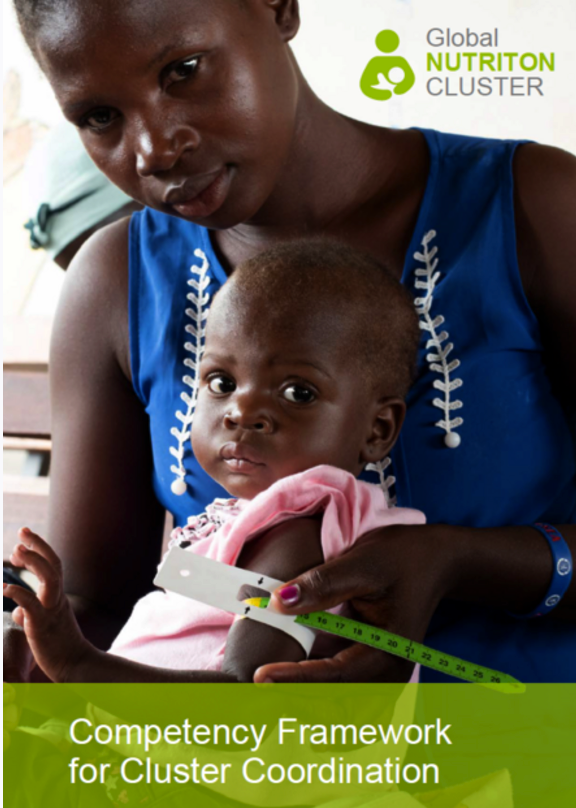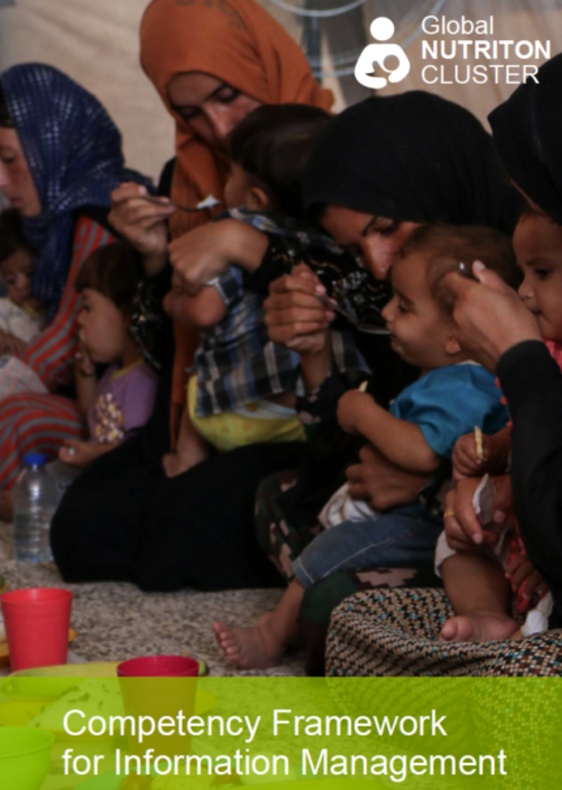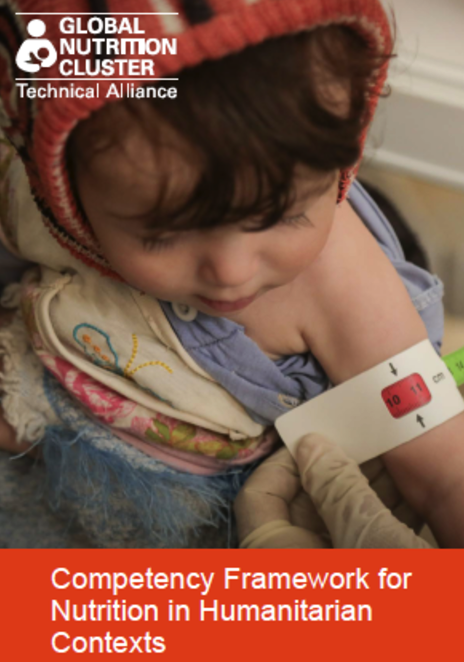
Capacity strengthening is a dynamic and collaborative process, which focuses on further developing the skills and knowledge of individuals and organizations and enables them to grow professionally in the field of nutrition in emergencies (NiE). To achieve this, we believe it takes a strategic approach, which is why we’ve created the GNC Capacity Development Framework – a multi-level capacity development pathway to support learning in Nutrition Cluster Coordination, Information Management, and cluster partner development.
Nutrition in Emergency Capacity Strengthening Working Group
The NiE Capacity Strengthening Working Group was established to define the GNC’s strategic approach to NiE capacity strengthening, and plan activities for nutrition practitioners to acquire the knowledge, skills, and competencies they need to respond effectively to nutrition emergencies. We aim to support country teams’ efforts to strengthen local nutrition preparedness and response, and prioritize and support country-level capacity strengthening strategies. Together with our members, we leverage our expertise and resources to create a sense of community where knowledge and experiences are shared, a learning mindset is fostered, ideas are exchanged, and capacity strengthening resources are utilized and measured. The Working Group includes members representing UNICEF, World Food Programme, World Vision International, Action Against Hunger UK, and International Medical Corps. We welcome more members to join us, especially local and national actors.
Explore the GNC NiE Capacity Strengthening Approach
The GNC Capacity Strengthening Working Group has developed a 4-pager outlining our strategic approach to Nutrition in Emergencies (NiE) Capacity Strengthening. This initiative is a catalytic investment in enhancing NiE learning through innovative, blended, modular, and flexible competency-based services. Designed to align with country-level capacity strengthening strategies and learning needs, it intends to develop multiple learning pathways linked to competency frameworks in Nutrition Cluster Coordination (NCC), Information Management (IM), and programming. By fostering locally led and owned approaches, this strategy ensures sustainable knowledge transfer, strengthens expertise, and increases access to tailored NiE learning solutions for diverse audiences.
2025 Priorities & Activities
Guided by the GNC NiE Capacity Strengthening (CS) approach, the Working Group has identified key priorities for 2025 to enhance learning opportunities and strengthen NiE capacity globally. The planned activities include:
- Designing tailored NiE learning pathways – Structured pathways for learning and capacity strengthening will be developed, adapted to different contexts and audiences, and aligned with existing competency frameworks.
- Strengthening access to essential NiE training resources – Ensuring that core NiE training packages (e.g., NiE Starter Pack, generic NiE training) remain accessible, up-to-date, and actively promoted through platforms such as the Agora NiE channel.
- Supporting country-level CS strategies – Developing recommendations to assist country coordination teams in designing their CS strategies, including methodologies for assessing learning needs.
- Piloting generative AI for learning enhancement – Exploring the potential of AI-powered tools to optimize and personalize NiE learning experiences.
- Expanding partnerships for diversified CS services – Engaging with universities and other institutions to broaden CS offerings at national and regional levels while fostering cross-country knowledge exchange—particularly through new modalities that benefit local and national actors.
These efforts will ensure more accessible, flexible, and impactful NiE capacity strengthening, supporting practitioners worldwide in delivering effective emergency nutrition responses.
Useful links
GNC Nutrition in Emergencies Capacity Strengthening Working Group ToR
Developing and Sustaining Nutrition Cluster Capacity Strengthening: A Concise Implementation Guide